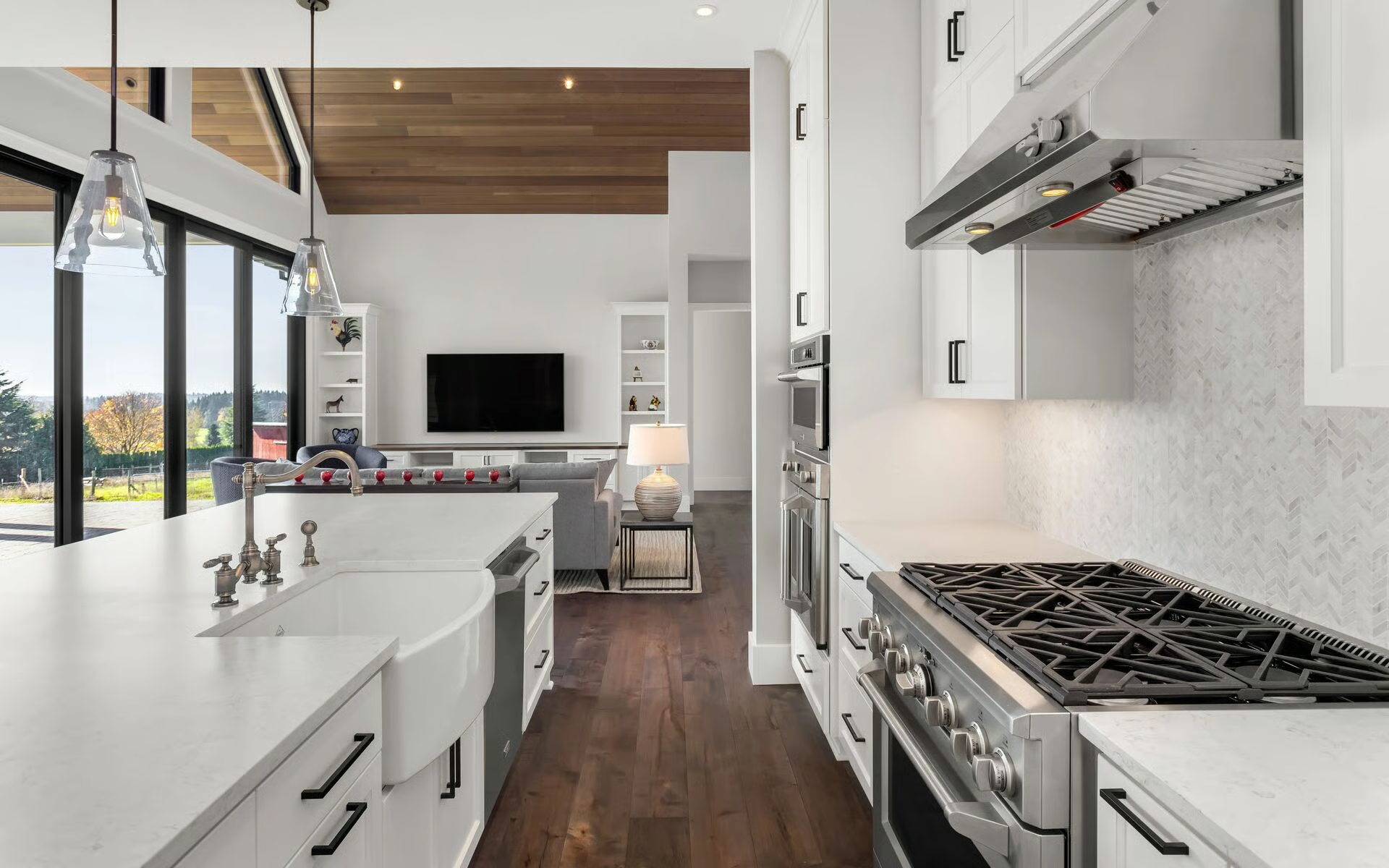
Should you build new or buy a resale in Round Rock? It is a big decision, and the right choice depends on your timeline, budget, and comfort with trade-offs. You might love the idea of picking finishes in a brand-new home, or you might value the character and convenience of an established neighborhood. In this guide, you will learn how new construction and resale compare in Round Rock, what costs to watch, and how to plan your next move with confidence. Let’s dive in.
Round Rock market basics
Round Rock sits inside the Austin–Round Rock metro, a fast-growing region that pushes steady demand for both new homes and resales. New construction often clusters in master-planned communities and newly annexed areas where builders can access larger lots and new infrastructure. Infill pockets closer to the core tend to offer more resale choices.
Carrying costs vary by address. Texas has no state income tax, so property taxes are a key driver of your monthly payment. In and around Round Rock, municipal utility districts, special assessments, and school district boundaries also shape your costs and future resale value. Always confirm tax rates and assessments with the Williamson County Appraisal District and the local taxing entities for each property you consider.
School district assignment can be a major factor for many buyers. Boundaries can include Round Rock ISD, Leander ISD, Pflugerville ISD, or others. Verify school zoning by address to avoid surprises later.
New construction: who it fits
If you want modern design, energy-efficient systems, and the ability to personalize finishes, a new build may be a strong match. It can also be appealing if resale inventory feels limited in your target area.
New construction pros
- New systems, appliances, and code-compliant construction can lower early maintenance.
- Modern layouts and energy-efficient features are standard in many communities.
- You can select floor plans, finishes, and options that fit your lifestyle.
- Builders sometimes offer incentives such as closing-cost help, rate buydowns, or appliance packages.
- In a competitive seller’s market, new builds can be easier to secure than certain resale homes.
New construction risks and trade-offs
- Timeline and delays. Build times often run 4 to 12 months or more, and delays can occur. Have a backup plan for housing and rate changes.
- Add-on costs. Base prices may exclude upgrades, lot premiums, landscaping, fencing, window coverings, and some utility or connection fees. Upgrades can add tens of thousands.
- Negotiation limits. Builders may resist price cuts. Negotiations often center on upgrades or closing concessions.
- Early community phase. Roads, schools, parks, and retail may arrive after homes are occupied. Expect construction activity and evolving amenities.
- Warranty limits. Many builders use a “1-2-10” style warranty structure, but coverage varies. Review what is covered, for how long, and the claim process.
- Resale clustering. If many similar homes hit the market at once in the same community, you could face more competition when you sell.
Financing and contracts for new builds
- Financing types. You may use a standard mortgage for completed inventory. For to-be-built homes, you might consider a construction loan or a construction-to-permanent loan. Some builders offer preferred-lender options with streamlined programs.
- Appraisals. Appraisers rely on comparable sales. In brand-new neighborhoods with few sales, appraisals can be challenging. Incentives and premium upgrades can also affect how the appraised value compares to your contract price.
- Contract terms. Builder contracts often include lot premiums, specific build timelines, and liquidated damages clauses. Some communities also offer model home leasebacks. Have your agent and, if needed, an attorney review all documents before you sign.
- Incentives and buydowns. Builder credits can be tied to using a preferred lender. Compare the total cost, not just the headline rate, to understand your monthly payment and cash-to-close.
Inspections, walkthroughs, and warranties
City inspections occur during construction, but you should also hire an independent third-party inspector. Schedule a full inspection near completion, then do a detailed final walkthrough to create a punch list. Confirm the timeline and process for warranty claims, and keep copies of all documents so you can act within stated coverage periods.
Resale homes: who they fit
If you want to move soon and value a known neighborhood context, resale can make a lot of sense. You often gain more mature landscaping, settled streets, and nearby services already in place.
Resale pros
- Faster timeline. You can often close in 30 to 45 days once financing is set.
- Negotiation room. You may negotiate price and repairs based on inspections.
- Established areas. Utilities, parks, schools, and retail are known quantities.
- Easier appraisals. Comparable sales typically exist, which helps valuation.
Resale risks and trade-offs
- Deferred maintenance. Older systems or roofs may need repair or replacement.
- Unknown renovation quality. Past projects vary in workmanship. Plan for more inspection time and, potentially, repair budgets.
- Less customization. Changes require renovations that add time, cost, permits, and contractor coordination.
- Energy and upkeep. Older homes may have higher utility or maintenance costs if not updated.
Inspection and due diligence
Order a general home inspection and pest inspection at minimum. Add specialists as needed for roof, HVAC, electrical, plumbing, foundation, or a sewer scope. Review seller disclosure documents carefully and ask clarifying questions. Major defects can affect financing, so address issues early in your option period.
Cost factors to compare in Round Rock
Use this short list to compare total cost of ownership, not just the headline price:
- Price and incentives. Weigh a builder’s base price plus upgrades against a resale’s asking price plus any repair credits.
- Upgrades and lot premiums. New builds may charge premiums for cul-de-sacs, views, or larger lots. Resales may already include mature trees and landscaping.
- Property taxes and special districts. New developments can include municipal utility districts or special assessments that raise your tax burden. Confirm all rates and assessments with the Williamson County Appraisal District and the relevant taxing entities.
- HOA fees and covenants. Master-planned communities may have higher or structured HOA dues, while older neighborhoods might have lower dues or none. Review rules that could affect how you use the property.
- Utility setup and connection. New homes may include developer-paid infrastructure, but buyers can face connection fees or higher initial bills. Resale accounts are usually established.
- Insurance. Newer homes can benefit from current building codes, but location factors like flood zones or large trees matter more. Shop policies for both scenarios.
Resale value and long-term fit
Round Rock resale value is influenced by proximity to major employers, access to the Austin tech corridor, school district, lot size and orientation, neighborhood amenities, curb appeal, and local infrastructure improvements. In brand-new communities, many similar models can compress pricing if supply grows faster than demand. High-quality materials, energy features, and a great lot can help preserve value over time.
Market cycles matter. In cooling periods, new construction premiums can soften if builders continue to deliver inventory. On the flip side, a well-chosen resale with smart updates can appreciate as the area grows. If you buy resale, targeted projects such as kitchen or bath refreshes, curb appeal improvements, or energy upgrades often deliver solid returns. Your agent can help you assess likely return based on local comps and buyer preferences.
A simple decision framework
Ask yourself these questions to choose with clarity:
- Time. Do you need to move soon, or can you wait 4 to 12-plus months for a build?
- Customization. Do you prefer a move-in-ready home, or do you want to choose finishes and floor plan options?
- Budget. What is your real all-in budget, including upgrades, lot premiums, taxes, HOA, utilities, and likely maintenance?
- Financing. Are you comfortable with a construction or construction-to-permanent loan, or do you want a standard mortgage?
- Risk tolerance. Are you okay with potential build delays, punch lists, and warranty processes?
- Neighborhood feel. Do you want an established area with mature trees and known services, or a new community with future amenities and ongoing buildout?
- Resale timeline. How long do you plan to live in the home? Short-term owners should weigh transaction costs and local supply at resale.
- Inspectability. Are you prepared for deeper inspections and possible renovations on resale, or would you rather handle a new-build punch list and warranty steps?
Tips if you are selling and buying
If you plan to sell your current home and move into a new build, timing is key. Selling first can reduce contingency risk, but you will need a temporary housing plan if your build runs long. Bridge-style financing tools exist, but they add cost and complexity.
To compete with new construction, sellers of older homes may need to invest in repairs, light updates, and strategic staging. Highlight recent system replacements, energy improvements, and outdoor appeal. Pricing should reflect nearby builder incentives and the condition of competing resales.
How our team helps in Round Rock
You should not have to choose between speed and confidence. Our family-run team guides you through both paths with clear, step-by-step support. We help you compare total cost of ownership across specific addresses, including property taxes, MUD or special assessments, HOA rules, and likely utility and insurance impacts.
We also simplify financing. With integrated lending support and a senior loan officer on our team, you get practical options for rate buydowns, construction-to-perm conversations, and timing your sale and purchase. For new builds, we review builder contracts, explain preferred-lender incentives, and connect you with trusted third-party inspectors. For resales, we map your inspection plan, estimate repair costs, and position your offer to appraise and close smoothly.
Ready to zero in on the right fit for your life? Reach out to Guadalupe Abbud for a friendly strategy session, and get your free home valuation to plan your next move.
FAQs
What is the main difference between new construction and resale in Round Rock?
- New construction offers modern layouts, energy efficiency, and customization with longer timelines and potential add-on costs. Resale offers faster move-in, negotiation room, and established neighborhoods but may require repairs or updates.
How do property taxes and MUDs affect my budget in Round Rock?
- Property taxes are a major monthly-cost driver in Texas, and some areas include municipal utility districts or special assessments. Confirm all rates and fees for each address with the Williamson County Appraisal District and the relevant taxing entities.
Are builder incentives in Round Rock worth it?
- They can be, but always compare the full picture. Incentives tied to a preferred lender may lower your rate or cash-to-close, yet the base price and upgrade costs still matter. Evaluate your monthly payment and total cash required before deciding.
Do I need an inspection on a brand-new home in Round Rock?
- Yes. City inspections occur during construction, but you should also hire an independent third-party inspector and do a detailed final walkthrough. Create a punch list and understand warranty timelines and claim steps.
How long does it take to close on a resale home in Round Rock?
- Many resale transactions close in 30 to 45 days after you secure financing, but the exact timeline depends on the contract terms, appraisal, and any negotiated repairs.