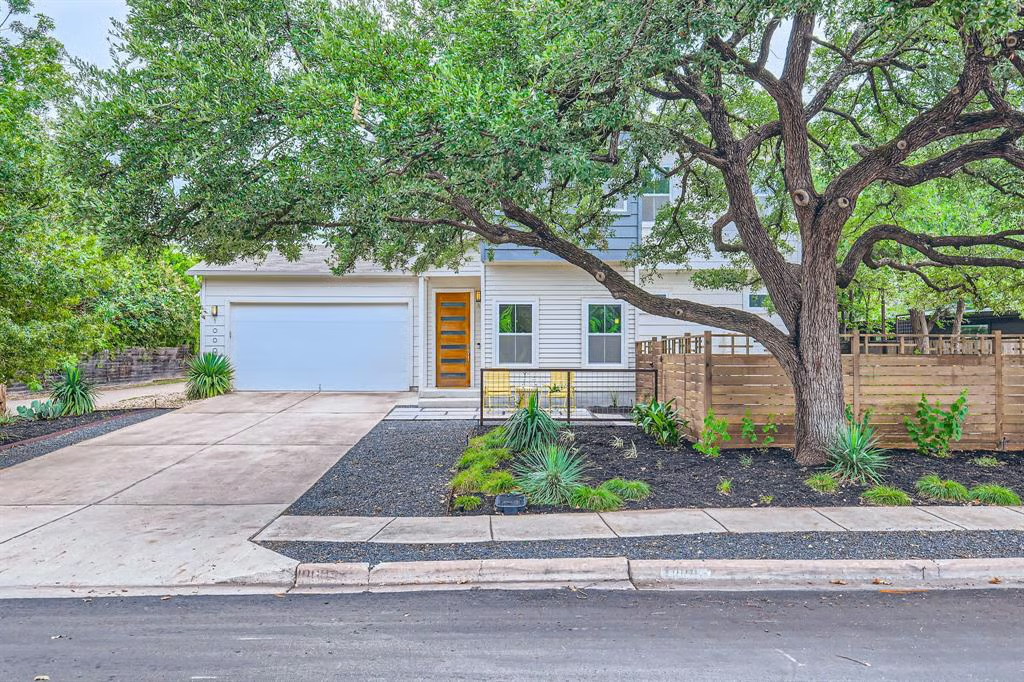
Is a 1950s bungalow worth as much as a sleek new build down the street? If you are shopping or getting ready to sell in
Central-North Austin, you are likely weighing charm against modern convenience and trying to make the numbers make sense. You are not alone. Pricing these two property types takes a different lens because buyers value them for different reasons. In this guide, you will learn how local factors like lot size, layout, permits, and appraisals shape price so you can compare apples to apples and move forward with confidence. Let’s dive in.
Bungalow vs new build at a glance
Bungalows: what buyers value
- Character details and established trees that create a sense of place.
- Single-story living and a lower total price point in some cases.
- Opportunity to personalize with targeted updates or additions.
Watchouts: older systems, lower ceilings, potential deferred maintenance, and possible unpermitted work that can impact value and lending.
New builds: what commands a premium
- Modern floorplans with open living, larger or taller homes on the same lot size.
- New systems, energy efficiency, and builder warranties that reduce near-term maintenance.
- High-end finishes and smart-home features that feel move-in ready.
Watchouts: higher price per square foot, smaller yards if the footprint is maximized, and occasional pushback when scale or style does not match the block.
Central-North Austin pricing drivers
Lot and site
Lot size and usability are core to value. In these neighborhoods, many lots run about 5,000 to 8,000 square feet, and buyers pay attention to orientation, privacy, and mature tree canopy. Tree preservation rules and impervious cover limits can also affect what you can add later, which influences today’s price. Garage placement, driveway access, and alleys matter for function and resale.
Size and layout
Square footage sets a baseline, but the layout is what wins or loses offers. Extra bathrooms, a well-placed primary suite, and higher ceilings all add value. Some buyers prioritize single-story living, while others want the larger two-story plans common in new construction. Focus on usable living area and bedroom-bath count rather than raw square footage alone.
Condition and systems
The age and health of the roof, HVAC, electrical service, plumbing, and foundation can swing pricing. New builds often check all the boxes on efficiency and code, while older homes vary widely. If a bungalow has modernized systems and quality updates, it can price closer to new-build territory.
Permits and code compliance
Permitted work supports value and simplifies lending. New builds come with current permits and code compliance, which strengthens appraisals. In contrast, unpermitted additions in older homes can reduce marketability or require price adjustments.
Style and curb appeal
Buyers pay for perceived authenticity. Period details and porches help a bungalow stand out. Contemporary finishes and cohesive design elevate a new build. On either side, clear, coherent curb appeal supports a stronger list price.
Neighborhood fit and context
A home that fits the block’s scale and vibe has an easier path to top-dollar. Overly large homes on a street of small bungalows may face resistance. Historic or neighborhood overlays can influence what changes are allowed, which in turn shapes long-term value.
How appraisals and financing differ
New builds often sell at a higher price per square foot in desirable infill areas. When there are few nearby new-build comps, appraisers may adjust older-home comps up to modern standards. That can create appraisal gap risk if you are paying a builder premium.
If you are buying a bungalow, you may consider renovation-friendly financing, depending on your goals and lender options. With new construction, conventional mortgages are common, and builders sometimes offer closing incentives. Whatever you buy, documenting specs, recent permits, and upgrades helps support value with the appraiser.
Seller strategy: bungalow owners
- Focus on return-minded updates. Kitchens, baths, visible systems, and permitted work usually make the biggest impact.
- Evaluate “as-is” vs renovate. If the local buyer pool prefers modern layouts, heavy renovations may not fully pay back. In those cases, pricing as-is to attract character-seekers or builders can be smarter.
- Market the right strengths. Highlight tree canopy, single-level living, and any high-quality, permitted upgrades.
- Consider lot value. In blocks with active teardown activity, the land can drive a large share of price.
Buyer strategy: new builds and bungalows
If you are buying a new build
- Verify builder reputation, warranty terms, and completion timelines.
- Ask about energy features and included finishes vs upgrades.
- Plan for appraisal risk if price per square foot is above nearby sales and negotiate for concessions if needed.
If you are buying a bungalow
- Budget for inspections and potential system updates, even if the home looks refreshed.
- Confirm permits for additions or major remodels.
- Think through future flexibility. If you plan to add a second story or expand, check setbacks, impervious cover, and tree constraints early.
Local rules that affect value
In Central-North Austin, development is shaped by city rules on tree preservation, impervious cover, setbacks, and drainage. These affect what can be built and what it costs, which flows into pricing. Historic overlays or neighborhood plans, if present, can limit certain exterior changes. Property tax assessments and exemptions are handled locally and do not equal market value, but they are helpful context when evaluating holding costs.
Compare apples to apples: your CMA checklist
Use this simple approach to bring clarity to both property types:
- Start close and recent. Pull the nearest closed sales from the last 3 to 6 months on similar blocks.
- Match property type. Compare bungalows to renovated older homes when possible, and new builds to other new builds in adjacent neighborhoods if local comps are thin.
- Adjust for function over size. Align bedroom-bath counts, ceiling height, and layout quality, then fine-tune by square footage.
- Weigh the lot. Larger, deeper, or more private lots and strong tree canopy add meaningful premiums.
- Confirm permits. Give credit for permitted additions and updates. Discount for unpermitted work.
- Document systems and finishes. Upgraded mechanicals and cohesive finishes support higher pricing.
- Prepare for momentum. If multiple offers are common on your block, you may see prices push past comp-based expectations.
- Support the appraisal. Share builder specs, permit records, and upgrade lists to help appraisers understand value in mixed-age neighborhoods.
Ready to price or compare?
You do not need to figure this out alone. A focused, local CMA that respects lot value, layout, and permitted improvements brings the truth into view, whether you prefer bungalow charm or a modern new build. If you want a patient, bilingual team that can also streamline your financing, connect with Guadalupe Abbud for a friendly, detailed pricing consult and get your free home valuation.
FAQs
Do new builds always cost more per square foot in Central-North Austin?
- Often they do because of modern systems and finishes, but the total price depends on lot size and finished area. A high-end, fully remodeled bungalow can match or exceed new-build pricing on a per square foot basis.
How are new builds appraised in older bungalow neighborhoods?
- Appraisers use recent sales and may adjust older-home comps to reflect modern features when few new-build comps exist. This can create appraisal gap risk if you are paying a builder premium.
Should I renovate my bungalow before selling in Central-North Austin?
- It depends on cost versus likely price lift. Cosmetic updates and addressing deferred maintenance usually help, while major layout overhauls can be riskier unless aimed at buyers seeking fully modern living.
What local rules can impact teardown or addition plans?
- Tree preservation, impervious cover limits, setbacks, easements, and any historic or neighborhood overlays can shape massing, design, and cost, which all play into market value.
What should I inspect first on an older bungalow?
- Start with foundation, roof, HVAC, electrical service, and plumbing. Verify permits for prior work and budget for any upgrades needed to meet today’s standards.
How do I compare two homes with different layouts and sizes?
- Align key functions first, like bedroom-bath count and primary suite placement. Then adjust for lot quality, systems, and finishes before using per square foot metrics to fine-tune your comparison.